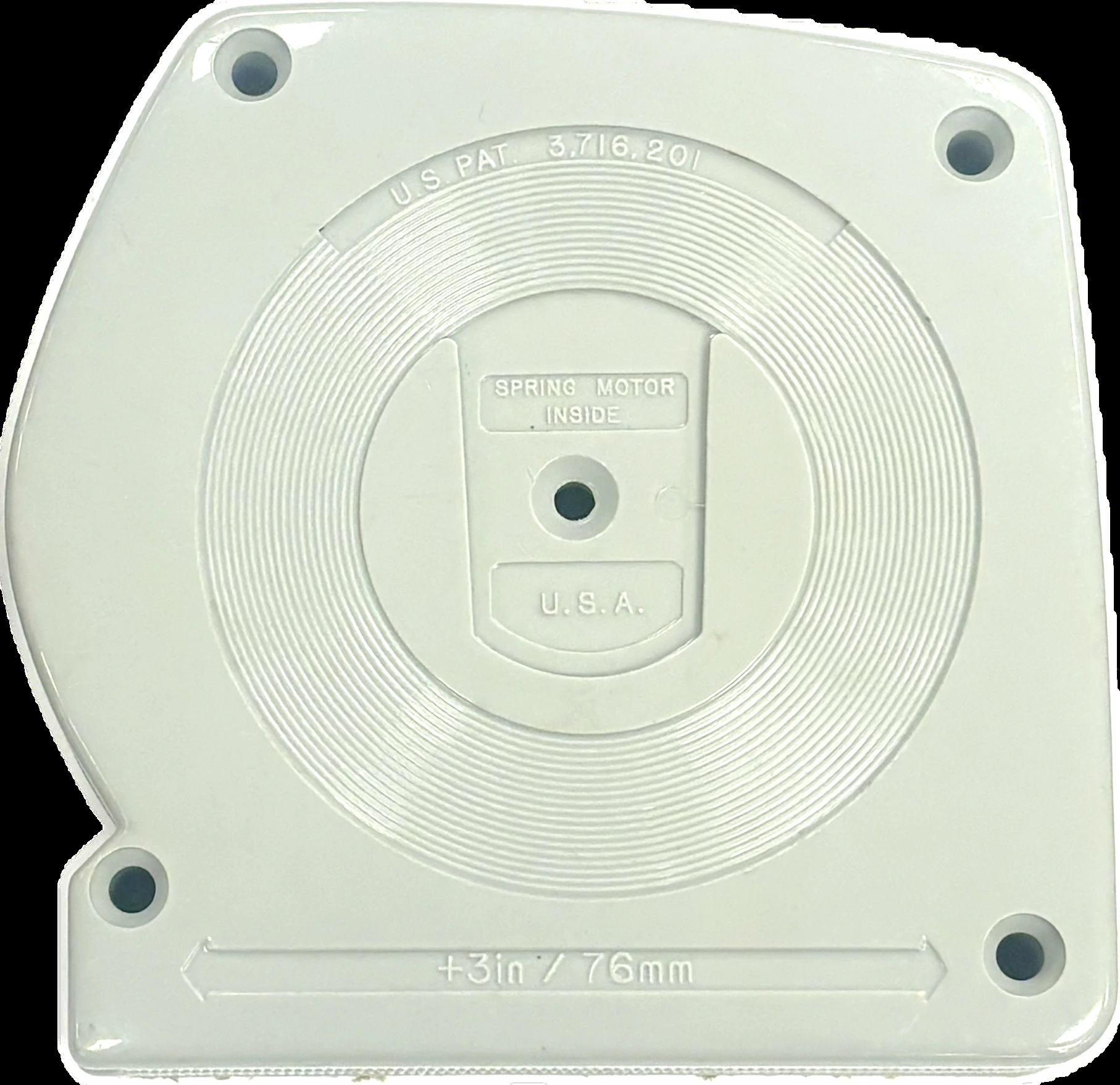
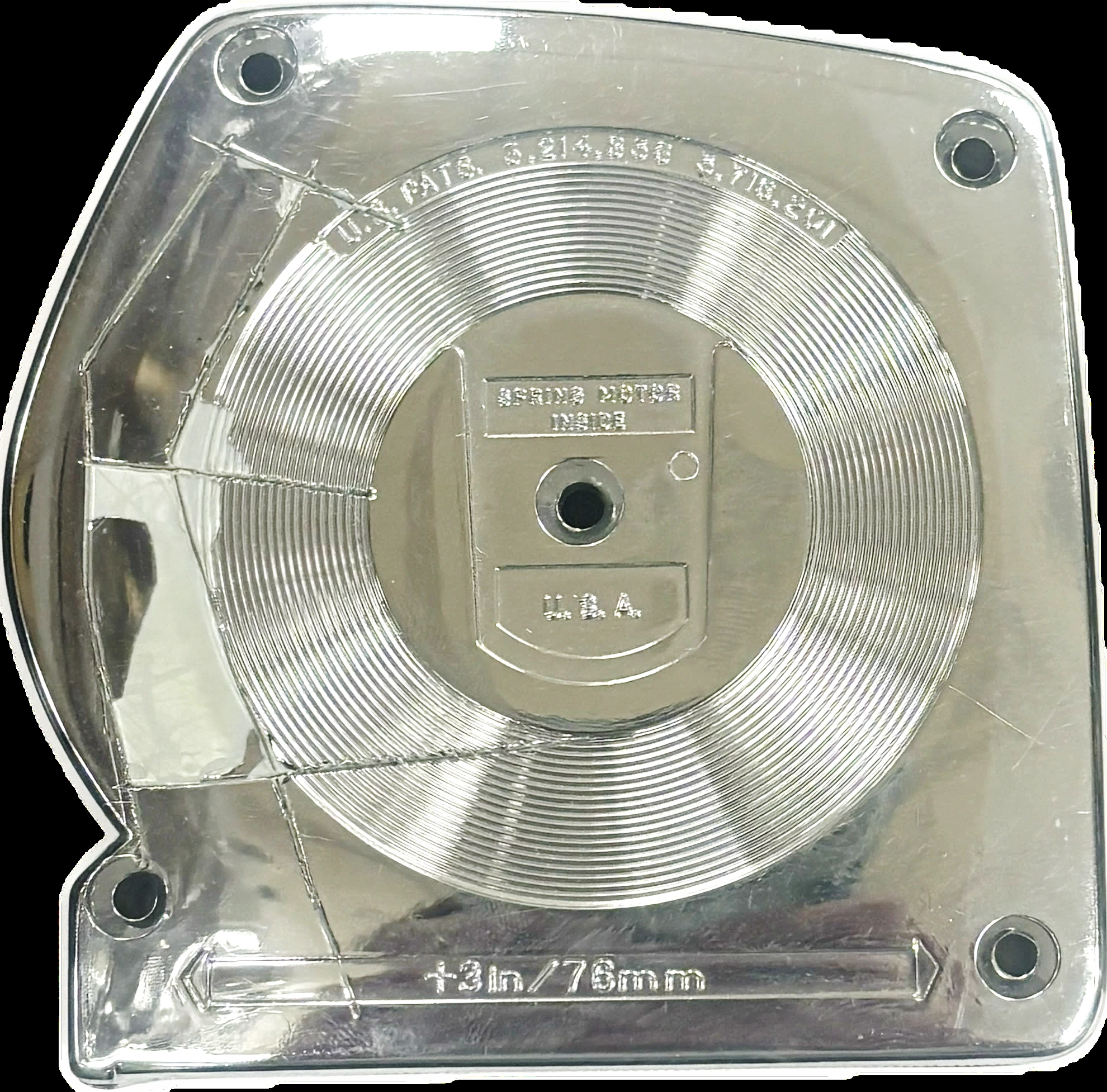
Metallization of plastics is a process of coating a plastic substrate with a layer of metal to improve its appearance, durability or functionality. It allows the items to keep the lightweight and low-cost benefits of plastic while gaining the look and performance of real metal. Three most widely used methods are vacuum metallization, thermal spraying of semi-molten metal particles and electroplating. Electroplating is a wet process involving chemical etching, activating with a catalyst (like palladium), and electroless followed by electrolytic deposition of metals like copper, nickel, and chromium. Under fundings from the US EPA in the early 1990s, we developed a non-toxic etchant for etching of plastics such as ABS (block copolymer of acrylonitrile, butadiene and styrene).
US Patent # 5,591,354; 5,160,600; 5,053,339; 5,049,230; 5,045,283; 5,015,329 and 4,941,940.